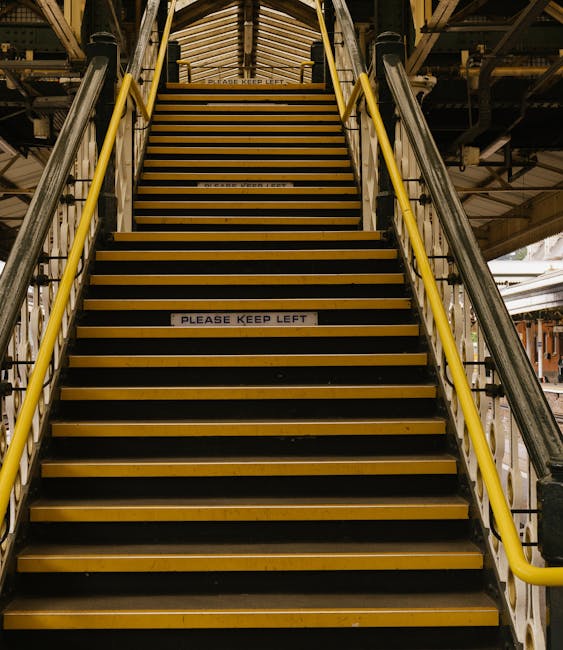
Docklands stair access removals common problems and fixes
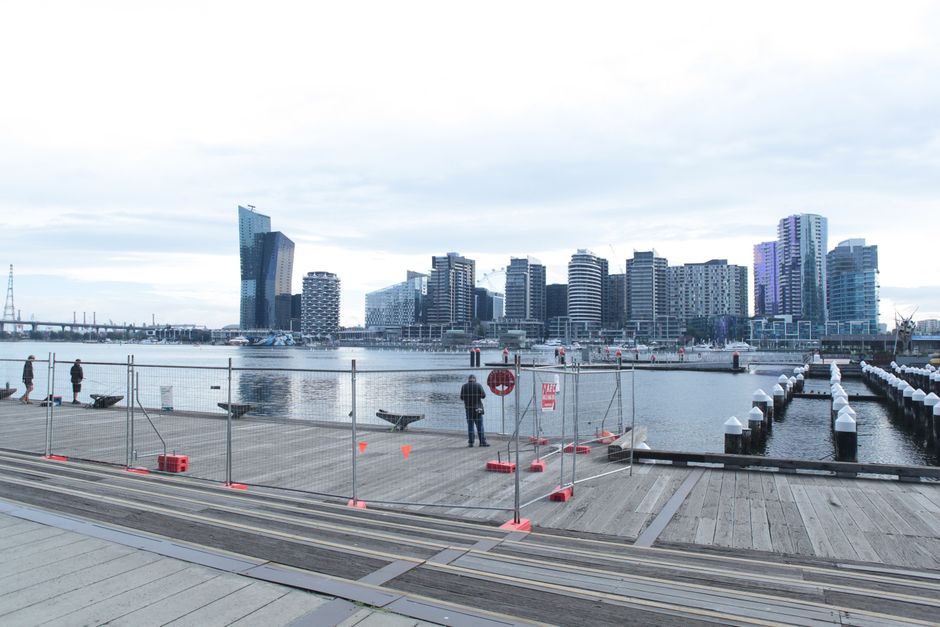
If you are planning a move in Docklands, stair access can turn a simple removal into a bit of a puzzle. Narrow landings, awkward bends, heavy furniture, lift restrictions, and building rules can all slow things down. The good news is that most issues are predictable, and once you know the usual Docklands stair access removals common problems and fixes, you can plan around them properly.
This guide breaks down what tends to go wrong, why it happens in Docklands homes and apartment blocks, and how to sort it before move day. Whether you are in a riverside flat, a new-build tower, or a period building with tight stairs, the aim is the same: fewer delays, less stress, and a safer move. Truth be told, a little prep saves a lot of awkward shouting on the staircase.
Why Docklands stair access removals common problems and fixes Matters
Docklands has a mix of property types that can make stair access surprisingly tricky. You get high-rise developments with strict lift booking windows, older buildings with compact stairwells, and modern apartments where the stairs are technically fine for people but not always ideal for a sofa, a bed frame, or a washing machine. That mismatch is where trouble starts.
When stair access is not planned properly, removals take longer, cost more, and become riskier for both your belongings and the people carrying them. A scratched banister might seem minor until you realise the item was awkward to manoeuvre in the first place. And once a heavy object gets wedged halfway up a stairwell, everyone's day gets worse. Not ideal.
There is also a wider local angle. Docklands properties often sit in managed buildings with concierge rules, loading bay restrictions, and shared communal areas that need care. So this is not just about muscle. It is about coordination, timing, and respecting the building setup. That is why understanding the most common access problems before move day matters so much.
One practical example: a couple moving out of a fifth-floor flat near Canary Wharf may have perfectly good internal stairs, but only a small lift and a loading slot of one hour. If the sofa does not fit, the whole schedule can unravel. That is the kind of thing a quick pre-move check catches.
How Docklands stair access removals common problems and fixes Works
At its simplest, stair access removals means moving items up or down stairs when lift use is limited, unavailable, or impractical. In Docklands, the process usually starts with a survey, either in person or from clear photos and measurements. Good movers want to know the staircase width, landing sizes, ceiling height, the number of turns, and any tight corners or fire doors.
From there, the team decides how to move each item safely. Some furniture can be dismantled. Some can be carried with protective covers and straps. Some may need specialist handling, particularly pianos, large wardrobes, or oversized office items. The fix is rarely one single trick. It is usually a combination of planning, packing, routing, and choosing the right team for the job.
In many Docklands buildings, the real challenge is not the stairs themselves but the whole access chain: parking distance, lift reservations, concierge sign-in, protective coverings, and time limits. If one part goes wrong, the rest becomes harder. So the practical fix is to think of stair access as part of the whole move, not a separate issue.
Here is the basic flow most well-run removals follow:
- Check access details in advance.
- Measure the largest furniture and appliances.
- Identify items that should be dismantled or wrapped.
- Book the right vehicle, crew size, and time slot.
- Protect walls, floors, doors, and stair rails before carrying anything.
- Move items in a sensible order, usually from easiest to hardest.
Seems straightforward. In practice, the order and preparation make all the difference.
Key Benefits and Practical Advantages
When stair access removals are handled properly, the benefits are easy to notice. Moves finish faster, there is less physical strain, and the chance of damage drops quite a bit. That matters in Docklands, where a blocked communal corridor or a delayed lift can throw off an entire day.
- Fewer delays: A measured plan stops teams from getting stuck at the first awkward turn.
- Lower damage risk: Good wrapping, padding, and lifting technique protect furniture and building finishes.
- Better safety: A team that knows what it is doing is less likely to slip, twist, or drop an item.
- Smoother building relations: Careful handling helps avoid complaints from neighbours or management.
- More accurate quotes: When access is clear, pricing is usually clearer too.
There is another benefit people sometimes overlook: peace of mind. If you know your sofa will fit, or at least know it will be dismantled properly, you stop worrying about it at odd moments. That mental relief is worth something, especially when you are juggling keys, cleaners, childcare, and a dozen boxes labelled only "misc".
For businesses too, especially offices and serviced spaces in Docklands, the right access plan means less disruption. Staff can keep working, loading bays are used efficiently, and the removal team can stay on schedule.
Who This Is For and When It Makes Sense
This topic matters to anyone moving in or out of a building where stairs are part of the route. That sounds broad, but in Docklands it covers a lot of people:
- Flat owners and tenants in apartment blocks
- People moving into new-build towers with managed access rules
- Families in maisonettes or older converted properties
- Office teams relocating between floors or buildings
- Anyone with bulky furniture, white goods, or fragile items
It also makes sense if you already know access is limited. Maybe the lift is too small. Maybe the stairs bend sharply at the top. Maybe the building manager has said the lift cannot be used for move-outs before 10 a.m. These are the moments where good planning pays off.
If you are comparing moving options, you may also want to think about the kind of service you need. A smaller move might suit a flexible man and van setup, while a larger flat or family move may be better handled through house removals or flat removals. For businesses, the access challenge is often folded into broader office removals planning.
To be fair, if your only large item is a single wardrobe, you do not need to overcomplicate things. But if the building has tight corners and a narrow stair core, it is worth treating the move with more care than you might first expect.
Step-by-Step Guidance
The best fixes start before the van arrives. Here is a simple, practical way to handle stair access removals in Docklands without making a meal of it.
1) Measure the route, not just the item
Measure the item's height, width, and depth, then compare that against the staircase width, landing space, hallway corners, and door frames. The first measurement people usually forget is the turning space at the landing. That is often where the problem shows up.
If you are unsure, take photos from the bottom and top of the stairs. A picture of the angle is often more useful than a dozen vague descriptions. One decent photo can save a lot of guessing.
2) Separate what can be dismantled
Flat-pack furniture, bed frames, some wardrobes, and certain tables can be taken apart, which makes stair moves far easier. Keep screws, fittings, and shelves bagged and labelled. A little organisation here saves a lot of muttering later.
For awkward bulky pieces, ask whether dismantling is safe and sensible. Not every item should be taken apart casually. Some antique pieces, upholstered items, and specialist furniture are better moved intact, but with added protection and experienced handlers.
3) Check building rules early
Docklands buildings often have move time slots, lift booking rules, and protection requirements for shared spaces. Check what is needed for the booking, the access code, the concierge desk, and any deposit or notice period. You do not want to discover at 8:30 a.m. that the service lift is out of use.
4) Plan the order of loading and unloading
Heavy or awkward items should be handled when the crew is fresh, not after a full morning of carrying boxes. In many moves, the best order is large furniture first, then fragile items, then general boxes. That way, the stairwell is used efficiently, and the most difficult pieces are not left until everyone is tired.
5) Protect the route properly
Use floor coverings, corner guards, door protection, and banister padding where needed. Good protection is not a luxury. It is part of the job. And it is much cheaper than repairing scuffed paint or dented woodwork after the fact.
6) Keep communication simple and direct
One person should be the point of contact on move day. Too many voices in the stairwell can become chaos. A calm, clear call like "pause", "lift", or "turn now" is worth more than a long explanation in the moment. Sounds obvious, but you would be surprised how often people skip this.
Expert Tips for Better Results
Here is the sort of practical advice that tends to make a real difference, especially in Docklands where access is rarely completely straightforward.
- Measure twice, move once. If an item is close to the limit, assume it will be harder than it looks.
- Keep corridors clear. A clear route avoids delays and reduces trip risks.
- Use proper lifting aids. Straps, dollies, sliders, and blankets all help, but only when used correctly.
- Protect fragile finishes. New builds can mark easily, and older buildings often have delicate paintwork or trim.
- Schedule around peak building traffic. Mornings can be busy in shared developments, especially when residents are heading out.
- Assume the weather may interfere. A wet entrance in Docklands can make external carrying paths slippery in minutes.
One small tip from real-world experience: keep a spare roll of tape, a marker, and a few bags for loose screws or shelf pins. They vanish at the worst times, usually when you have already packed the "important bits" somewhere clever and can no longer remember where clever was.
Expert summary: Most stair access problems are not fixed by strength alone. They are fixed by preparation, route checking, dismantling where sensible, and using the right equipment for the item and the building.
Common Mistakes to Avoid
Most stair access problems are avoidable, which is why the same mistakes keep coming up. The frustrating bit is that they are usually easy to prevent once you know what to look for.
- Underestimating the size of furniture: A sofa can look manageable until it meets a tight landing.
- Forgetting about the route outside the building: Parking distance, bollards, and steps at the entrance matter too.
- Leaving access checks until move day: If the lift booking is wrong, you lose time immediately.
- Not measuring corners and door swings: That is often where the "it should fit" assumption falls apart.
- Skipping protection: A fast move is not worth chipped walls or damaged furniture.
- Trying to force items through: If something jams, stop. Forcing it usually makes the situation worse.
One of the more common slip-ups is assuming the building staff will sort everything on the day. They can help, of course, but they are not there to rescue a badly planned move. Best to get the details confirmed well in advance.
Another mistake? Not telling the removals team about the awkward item because you think it is "obviously just a chair". Then it turns out to be a dining chair with a fixed armrest, a wide seat, and a taste for narrow stairwells. Happens more than you might think.
Tools, Resources and Recommendations
The right tools do not magically fix a bad plan, but they do make stair access removals safer and smoother. For Docklands properties, these are the basics worth having or asking about:
- Measuring tape: Essential for route checks, item dimensions, and landing clearance.
- Furniture blankets: Help protect surfaces from scrapes during turning and carrying.
- Straps and harnesses: Useful for controlled lifting and better grip on heavier items.
- Trolleys or dollies: Helpful where the route allows it, though stairs still need manual handling.
- Corner guards and floor protection: Especially useful in managed buildings and high-traffic shared areas.
- Labels and bags: Keep screws, parts, and cables organised.
If you need packing help as well as the move itself, a combined service such as packing and unpacking services can save time and reduce the chance of losing small parts. For larger or more awkward properties, a broader removal services approach may be the better fit.
If you are trying to work out scope and budgeting, it may also help to review pricing and quotes early, especially if access is tight and extra handling is likely. A clear brief generally leads to a clearer quote. No mystery tax, no last-minute shock. Well, less of it anyway.
Law, Compliance, Standards, or Best Practice
In the UK, stair access removals should be handled with proper attention to safety, manual handling, and building rules. You do not need to turn your move into a legal project, but a sensible approach matters. Movers should use best practice for lifting, carrying, route protection, and risk awareness, particularly where shared access areas are involved.
For residents and landlords in Docklands, managed buildings may also have their own procedures for move-in and move-out bookings, lift padding, waste disposal, and access control. These building rules are not just bureaucracy. They are there to reduce damage, disruption, and complaints. If the building asks for notice or a loading plan, give it. It saves hassle later.
Health and safety expectations are also relevant. Teams should be alert to trip hazards, unstable loads, awkward postures, and the risk of damage to communal property. If an item is too heavy, too awkward, or simply unsafe to move on the stairs as planned, the right answer is to pause and change the method. Not push through. That is the grown-up option, even if it is not the most dramatic one.
It is also sensible to check whether the removals company carries suitable insurance and understands access risks. You can review practical details on insurance and safety and the company's health and safety policy if you want more reassurance before booking. For general trust signals and what to expect from the provider, the about us page can also help you judge whether the service feels transparent and straightforward.
Options, Methods, or Comparison Table
Different stair access problems call for different fixes. Here is a simple comparison to help you think it through.
| Method | Best for | Advantages | Limitations |
|---|---|---|---|
| Dismantling furniture | Wardrobes, bed frames, tables | Easier turns, less strain, better fit on stairs | Can take time and needs careful reassembly |
| Protected manual carrying | Smaller items, standard boxes, some furniture | Flexible, fast, low equipment needs | Not ideal for very heavy or bulky items |
| Lift-assisted moving | Buildings with suitable lifts | Reduces stair use and physical strain | Depends on booking rules and lift size |
| Specialist handling | Pianos, oversized items, delicate furniture | Improves safety and protects valuable items | Usually needs experienced movers and more planning |
For many Docklands moves, the answer is a mix of methods rather than one approach. A flat might use the lift for boxes, manual carrying for smaller furniture, and dismantling for one oversized bed. That blend is often the neatest solution.
Case Study or Real-World Example
Imagine a two-bedroom flat in a Docklands apartment block with a narrow internal staircase and a lift that is too small for a large sofa. The residents have a sofa, a bed frame, a dining table, and a few fragile items. On the surface, it sounds like a standard move. In reality, the sofa is the blocker.
The first step is a route check. Measurements show the sofa will not turn on the top landing unless it is dismantled. The bed frame is fine once disassembled, and the dining table can be carried with protection. The lift is booked for boxes and lighter items only. A loading bay is reserved, and protective covers are put in place for the communal corridor.
Because the access issue is identified early, the crew can plan the order properly. The sofa is dismantled first, moved in sections, and reassembled later. The move still takes effort, of course, but it no longer becomes a wrestling match on the stairs. The whole job runs more calmly. Nobody is sweating over a stuck corner at noon, which, let's face it, is a small blessing.
If the same move had been attempted without measurements, the team might have discovered the issue halfway through the day. Then you get delays, extra labour, and a lot more stress. That is the difference proper stair access planning makes.
Practical Checklist
Use this checklist before move day. It is simple, but it catches the usual problems.
- Measure the largest items you need to move.
- Measure stair widths, landings, and key door frames.
- Check whether furniture can be dismantled safely.
- Confirm lift booking rules, loading bay access, and time windows.
- Ask about parking and the distance from the vehicle to the entrance.
- Protect floors, rails, walls, and corners in advance.
- Label boxes and keep small fittings in sealed bags.
- Tell the removals team about any fragile, heavy, or awkward items.
- Confirm insurance and safety expectations with the provider.
- Keep one person in charge of access instructions on the day.
If you want a reliable starting point for a move plan, browsing the main removals page can help you compare the kind of help available, while commercial moves is useful if your stair access issue involves an office or workspace rather than a home.
Get a free quote today and see how much you can save.
Conclusion
Docklands stair access removals common problems and fixes come down to one thing: planning for the building you actually have, not the building you hoped you had. Once you measure properly, protect the route, choose the right method, and give yourself enough time, most stair-related headaches become manageable.
The best moves are rarely the fastest ones on paper. They are the ones that stay calm, stay safe, and keep everyone working together without drama. And honestly, that is what most people want on moving day. A clear route. No surprises. Maybe a cup of tea at the end.
With the right preparation, even a tight Docklands staircase does not have to be the villain of the story. It just becomes another part of the job, handled properly and moved through with care.
Frequently Asked Questions
What are the most common stair access problems in Docklands removals?
The most common issues are narrow stairwells, tight turns, small lifts, restricted loading times, awkward door frames, and limited parking near the entrance. In Docklands, managed buildings can add concierge rules and booking windows too.
How do I know if my furniture will fit up the stairs?
Measure the item and compare it with the stair width, landing space, and turning angles. If the item is close to the limit, assume it may need dismantling or specialist handling. Photos help a lot when a quick visual check is not enough.
Can removals teams dismantle furniture on the day?
Often, yes, provided the item is suitable for dismantling and the team has the right tools. It is better to mention this in advance, though, so the move can be planned properly and any reassembly can be handled cleanly.
What if the lift is too small for my sofa or wardrobe?
That usually means the item needs to be dismantled, carried by stair, or moved by a specialist method if the building allows it. A good removals plan will identify the issue before move day so you can avoid delays.
Do I need to tell the building management about my move?
In many Docklands buildings, yes. Managed properties often require booking the lift, reserving a loading bay, or giving notice. Check the building rules early so you are not caught out on the day.
Are stair access removals more expensive?
They can be, especially if there are lots of flights, long carries, heavy items, or access restrictions. The exact cost depends on the building, the furniture, and how much extra time or labour is needed.
What items are hardest to move up or down stairs?
Large sofas, wardrobes, mattresses, pianos, American-style fridge freezers, and anything awkwardly shaped or fragile can be difficult. Items with no easy grip points or with sharp angles tend to cause the most trouble.
How can I protect walls and banisters during the move?
Use corner guards, protective blankets, floor coverings, and careful handling. Protection should be in place before the first item is carried. It sounds obvious, but that's exactly why it gets missed.
Is it better to use a man and van or a full removals service?
For a small move with limited items, a man and van service can be enough. For larger flats, family homes, or awkward stair access, a fuller removals service is often the safer and smoother choice because it gives you more hands and more planning.
What should I do if an item gets stuck on the stairs?
Stop and reassess. Do not force it. The safest fix may be to reposition, dismantle the item, or change the route. Forcing furniture through a tight gap is how damage and injuries happen.
How early should I plan stair access for a Docklands move?
As early as you can, ideally once you know your move date. Even a few days of planning helps, but for managed buildings and larger properties, earlier is better. It gives you time to measure, book, and sort any access permissions.
What should I ask a removals company before booking?
Ask whether they have experience with stair access moves, whether they can dismantle furniture, what protection they use, how they handle building restrictions, and whether they carry suitable insurance. Clear answers are a good sign.
Can stair access removals be done safely in older Docklands buildings?
Yes, usually, but older buildings often need more careful planning because the stairs and landings can be tighter or less predictable. The key is route checking, sensible packing, and not assuming a standard approach will work for every property.